As autumn settles across the Ukraine-Romania border region, experts are raising awareness about increased risks of zoonotic diseases that can spread from animals to humans. The seasonal change creates particularly concerning conditions for pet owners and agricultural communities in both countries.
Cooler autumn weather naturally weakens animals’ immune systems, making pets and livestock more vulnerable to infections. This seasonal vulnerability is especially problematic for diseases like toxoplasmosis and leptospirosis, which can easily transmit to humans and often occur together in infected animals.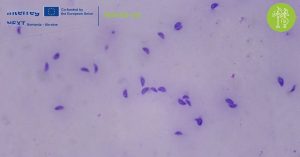
The cross-border challenge is significant. With increased population movement, pet relocation, and agricultural trade between Ukraine and Romania, infected animals and contaminated products can easily cross borders. This makes regional cooperation essential for disease prevention and surveillance.
“What many pet owners don’t realize is that what appears to be a simple skin allergy could actually signal something much more serious,” explains a veterinary specialist working on cross-border health initiatives. “Skin lesions, rashes, or unusual scratching in pets this fall could indicate zoonotic diseases that pose risks to entire families.”
The situation is particularly concerning because toxoplasmosis – one of the primary zoonotic threats – is often a “silent threat” that shows no symptoms in healthy adults while posing severe risks to pregnant women and immunocompromised individuals. The parasite spreads through cat feces, contaminated soil and water, undercooked meat, and unwashed produce.
Prevention remains key: Experts recommend thorough handwashing after handling animals or soil, cooking meat to 71°C (160°F), careful washing of vegetables and fruits, and immediate veterinary consultation for any unusual pet symptoms.
The SMS RO-UA project continues to focus on enhancing disease research capacity in the region to ensure proper surveillance and epidemic prevention as seasonal risks intensify.
This publication has been produced with the assistance of the European Union. The contents of this publication are the sole responsibility of Odesa State Agrarian University and can in no way be taken to reflect the views of the European Union or of the Interreg VI-A NEXT Romania-Ukraine Programme 2021- 2027 management structures.
The Interreg VI-A NEXT Romania-Ukraine Programme 2021- 2027 is financed by the European Union and co-financed by the participating countries in the Programme.
www.ro-ua.net